



Share
Bat Trang Pottery Village: Hanoi’s Charming Creative Haven
Content summary
Overview of Bat Trang Pottery Village

Bat Trang Pottery Village offers travelers authentic cultural experiences near Hanoi.
Bat Trang Pottery Village is one of Hanoi’s most beloved craft villages besides Van Phuc Silk Village or Quang Phu Cau Incense Village, attracting travelers looking for real culture, hands-on fun, and a peek into local artisan life.
Location
Bat Trang Pottery Village sits in Gia Lam District, roughly 13 km from central Hanoi. It’s located along the Red River and is part of a larger craft cluster known as Bat Trang Ceramic Village, famous for producing some of the best ceramics in northern Vietnam.
Opening Hours
Most pottery workshops, stores, and local attractions open from 8:00 AM to 6:00 PM. Some shops close earlier on weekdays, but weekends are lively all day with more activities and local visitors.
Entrance Fee
Good news: entering Bat Trang Village is completely free. You only pay if you join a pottery workshop (usually 40,000–70,000 VND), buy ceramics, or visit paid exhibitions depending on the shop.
How to Get There
Getting to Bat Trang is simple. As one of the popular places to visit near Hanoi, you can choose one of these vehicles to get from downtown to Bat Trang Village.
- Taxi/Grab: Convenient, around 120,000–200,000 VND.
- Motorbike: Quick route, 20–25 minutes from Hanoi Old Quarter.
- Bus: Bus 47A from Long Bien takes you straight to Bat Trang Vietnam in about 45–50 minutes.
The Heritage and Identity Behind Bat Trang Pottery Village
Long before it became a popular tourist stop, Bat Trang was already a thriving ceramics hub with centuries of heritage, artistry, and cultural pride.
Historical Background
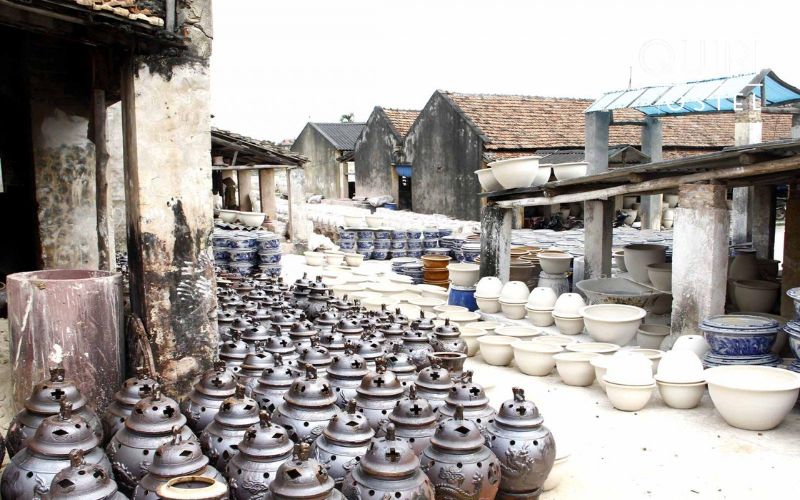
Bat Trang ceramics continue to influence regional craftsmanship through long-standing traditions.
The history of Bat Trang Ceramic Village spans over 700 years, placing it at the center of the evolution of Bat Trang ceramics and the broader Vietnamese craft heritage of Bat Trang. Its position along the ancient Red River trade routes helped the village grow into a major production hub for bowls, jars, vases, and tableware. Walking through the Bat Trang ancient village today still reveals old kilns, ancestral homes, and clay-marked alleyways shaped by centuries of trade.
Cultural Significance

Bat Trang village preserves traditional skills that define Vietnam’s artistic expression.
Culture and craft are inseparable in Bat Trang Ceramic Village, where pottery is a generational legacy woven into daily life. Nearly every household in Bat Trang village contributes to ceramic-making, from shaping raw clay to carving, glazing, and firing. Traditional motifs and techniques are preserved through family workshops and artisan guilds. This living craftsmanship extends beyond the village, influencing Vietnamese design, architecture, and cultural exhibitions, reinforcing Bat Trang’s role as a core of national artistry.
Best Experiences You Shouldn’t Miss in Bat Trang Pottery Village
Bat Trang Pottery Village is a living craft ecosystem where every corner, every kiln, and every artisan carries a story. These experiences help travelers move beyond “seeing” and step into the heartbeat of the village.
Try Hands-On Pottery Making
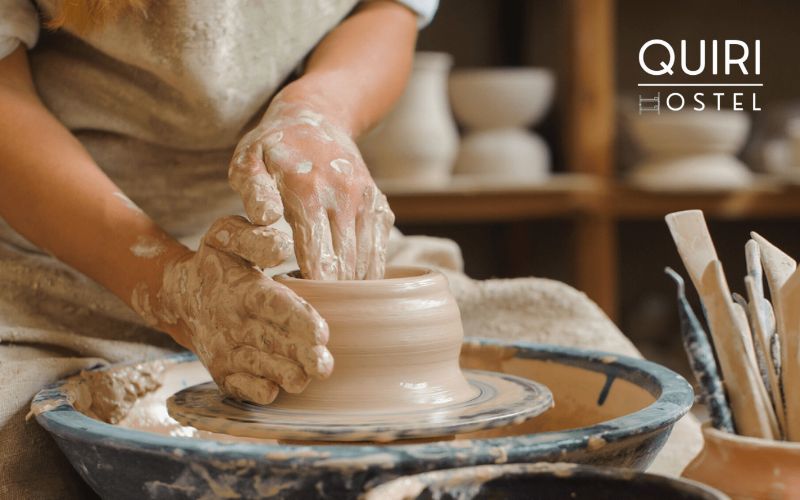
Visitors enjoy shaping clay while learning centuries-old techniques from artisans.
Shaping clay in Bat Trang is more than a fun activity — it’s a moment where you can feel centuries of craftsmanship literally under your fingertips. Local artisans guide you through each step, from molding the clay to shaping a bowl or cup. Even beginners end up creating something surprisingly personal.
Workshops usually cost 40,000–70,000 VND, making it one of the most meaningful yet affordable experiences in the village. If you choose to get your piece fired and glazed, you’ll watch it go through the same process families here have perfected for generations.
Visit Bat Trang Pottery Museum

The Bat Trang Pottery Museum showcases ceramic heritage through engaging modern exhibits.
The Bat Trang pottery museum offers a modern gateway into the village’s rich legacy. Its architecture alone — layered, flowing, inspired by traditional kilns — captures the soul of Bat Trang in a contemporary form. Inside, curated exhibits walk you through the artistic evolution of Vietnamese ceramics and the cultural layers behind each style.
Beyond the displays, the museum creates space for reflection: rooftop views overlooking the river, open studios, and artisan-led workshops. It’s a thoughtful blend of old and new, giving travelers a deeper appreciation of how Bat Trang’s heritage continues to evolve.
Explore the Ancient Village Lanes

Bat Trang ancient village offers atmospheric alleys filled with enduring craft heritage.
Wandering through the old alleys of the Bat Trang ancient village feels like stepping into Vietnam’s ceramic past. Narrow brick lanes, timeworn houses, old kilns, and handcrafted signage point to a community shaped by craft rather than speed. Every turn reveals tiny workshops and clay-dusted corners softened by the patina of history.
It’s also a dream for photography lovers. Soft natural light bounces off textured walls, artisans work quietly in open doorways, and traditional patterns appear everywhere. The ancient lanes offer a slow, grounding experience that contrasts beautifully with Hanoi’s urban energy.
Shop for Bat Trang Ceramics
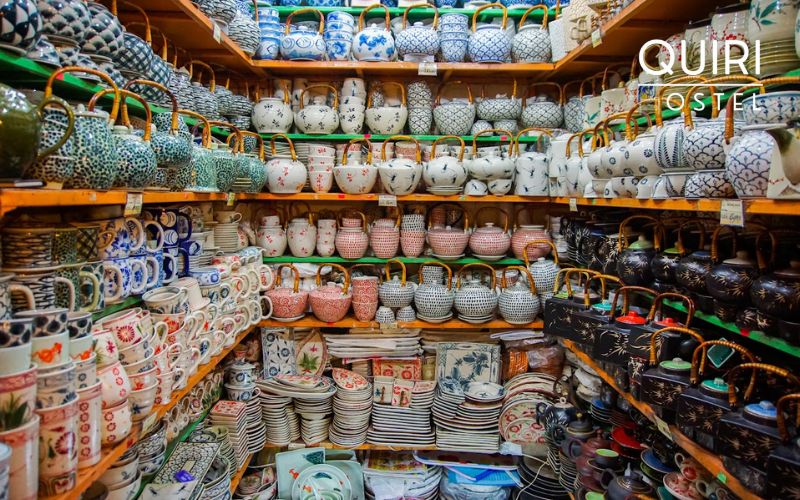
Bat Trang ceramics provide diverse artistic options for shoppers seeking unique pieces.
Shopping here isn’t just retail therapy — it’s exploring the diversity of Bat Trang ceramics created across the entire ceramics village. You’ll find everything from classic blue–white motifs to modern minimalist pieces, each reflecting the skill and artistic intuition of local families. Prices range widely, so both budget travelers and collectors can find something unique.
Many shops also allow you to meet the artisan behind the product, which adds emotional value to each purchase. You’re not just buying a bowl — you’re taking home a piece of a craft lineage that’s been refined for centuries.
Watch Local Artisans at Work
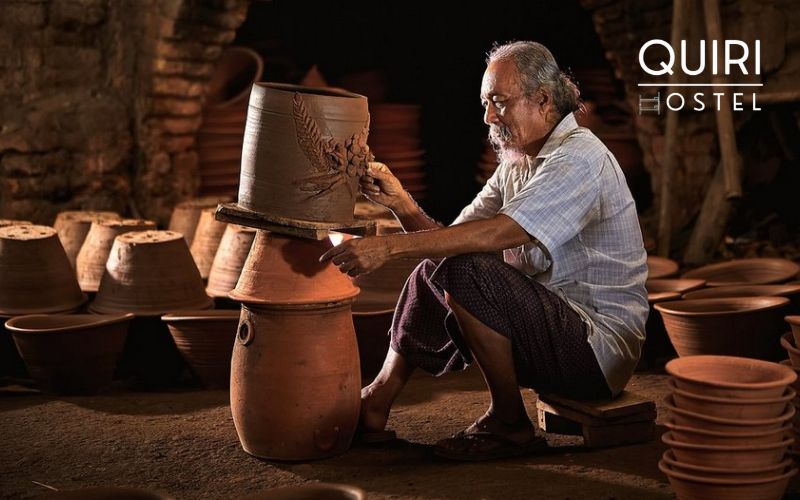
Local artisans demonstrate precise techniques that sustain this historic ceramics village.
Observing artisans in Bat Trang provides an intimate window into the village’s soul. You’ll see techniques that have barely changed over hundreds of years — steady hands shaping clay, quick movements carving patterns, and precise glazes applied with practiced ease. It’s a quiet, mesmerizing form of artistry.
This experience helps travelers understand the craftsmanship behind every ceramic piece on display. The skill, patience, and cultural memory embedded in each step transform pottery from a simple product into a story of labor, heritage, and community pride.
Essential Tips When Visiting Bat Trang Ceramic Village
A trip to Bat Trang Ceramic Village is straightforward, but knowing a few practical things can make your experience smoother, deeper, and more enjoyable. These tips help you navigate the village like someone who’s already been here before.
- Visit early in the morning: Cooler weather and fewer crowds make it easier to explore the ancient lanes and pottery workshops.
- Bring small cash: Many local workshops and small family stores don’t take cards or e-wallets.
- Plan extra time for firing: If you want your pottery piece glazed and fired, you may need to return later or arrange delivery.
- Wear comfortable shoes: The old lanes can be uneven, so sneakers are always a safe choice.
- Be respectful when photographing workshops: Ask before taking close-up shots as many artisans appreciate the gesture.
Final Thoughts
Bat Trang Pottery Village is an easy, refreshing escape from Hanoi—a place where culture, creativity, and community blend into one colorful experience. Whether you’re shaping clay, exploring ancient lanes, or hunting for unique ceramics, the village offers something special for every kind of traveler. If you want a half-day adventure with real local vibes, Bat Trang is 100% worth adding to your Hanoi itinerary.
Người đăng:
Quiri Hostel
Ngày đăng:
04/12/2025
Adventures at Quiri
See more