Overview of Lunar New Year in Vietnam
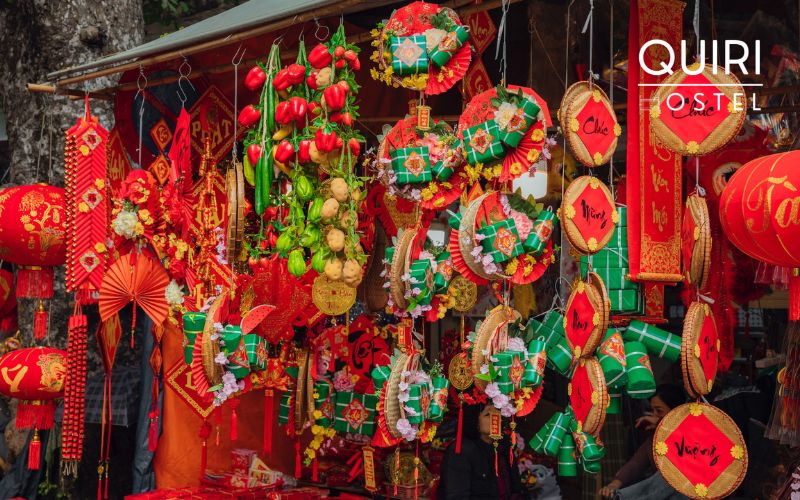
Lunar New Year defines Vietnam’s deepest cultural and emotional season
The Vietnamese Lunar New Year blends spiritual meaning, cultural heritage, and modern celebration into the most emotionally powerful season of the year.
What is Lunar New Year?
Lunar New Year, known as Tết Nguyên Đán (or Tet for short), is one of the most important cultural festivals in Vietnam of the year, marking the arrival of spring and the beginning of a new lunar cycle filled with renewal, reflection, and family connection.
When is Lunar New Year?
Lunar New Year follows the lunar calendar and usually falls between late January and mid-February, lasting about seven days. In Lunar New Year 2026 (Tet Nguyen Dan 2026), Tet begins on February 17, with celebrations extending before and after the official holiday.
Why is Tet Vietnam’s Most Important Holiday?
Tet holds unmatched emotional and spiritual importance in Vietnamese life, bringing families together, honoring ancestors, renewing personal energy, welcoming good fortune, and encouraging fresh starts that guide both individuals and communities throughout the coming year.
Vietnamese New Year Traditions and Customs
Every Vietnamese New Year tradition carries layers of meaning passed down for centuries.
Family Reunion & Ancestor Worship
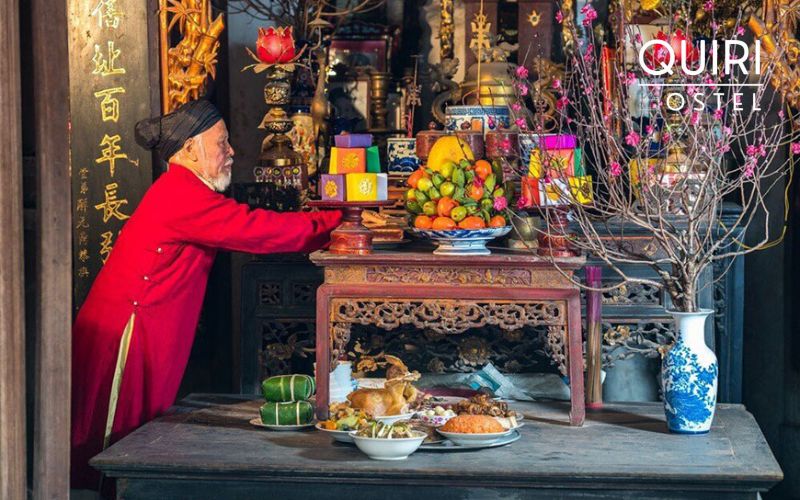
Vietnamese lunar new year centers on family reunions and ancestor respect
As the year closes, millions return home for reunions. Families prepare altars with offerings of food, incense, and flowers to honor ancestors, inviting their spirits to join the New Year celebration. These rituals express gratitude, respect, and continuity between generations.
Making Chung Cake & Tet Cake
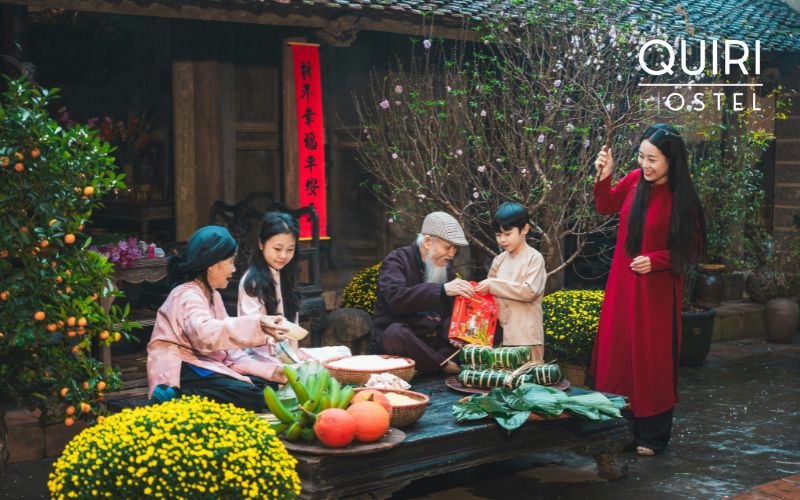
Tet Nguyen Dan traditions preserve meaning through ceremonial food preparation
Making Chung cake (Bánh Chưng) in the North and Tet cake (Bánh Tét) in the South is a core Vietnamese New Year tradition. Families gather days before Tet to prepare sticky rice, mung beans, pork, and leaves. The cakes symbolize gratitude to ancestors, harmony with nature, and the importance of family togetherness.
Giving Lucky Money
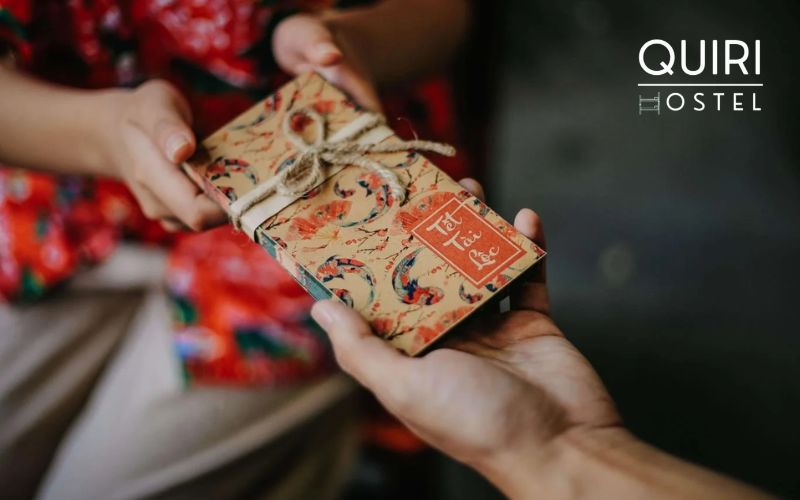
Lunar New Year activities include lucky money for prosperity and blessings
One of the most joyful Lunar New Year activities is the exchange of lì xì, small red envelopes containing money. Elders give them to children and unmarried adults with wishes for prosperity, health, and success. The red color symbolizes protection and good fortune.
First Visitor of the Year
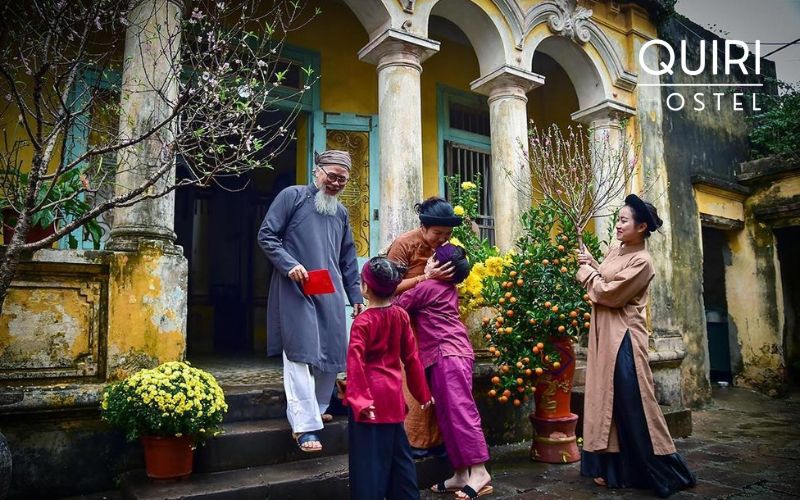
Vietnamese New Year beliefs emphasize auspicious beginnings and positive energy
Known as xông đất, the first person to enter a home after midnight on New Year’s Eve is believed to influence the household’s luck for the year. Families carefully choose someone with positive energy, strong character, and good fortune to perform this role.
Lunar New Year Festivals & Events
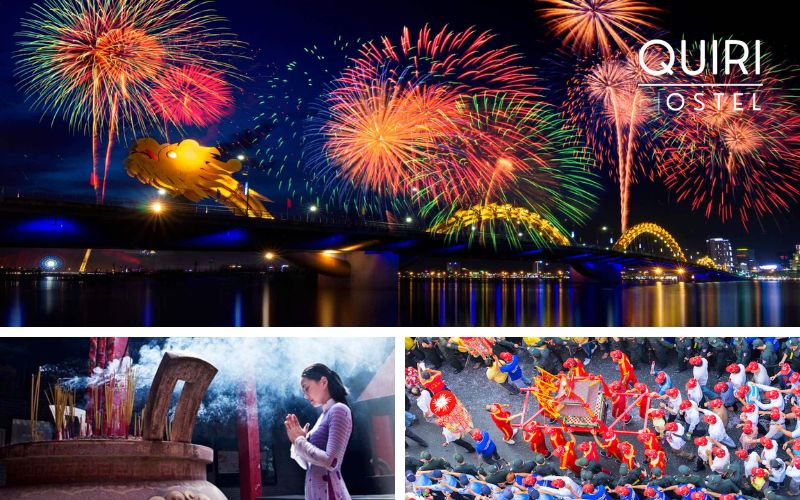
Lunar New Year blends vibrant festivals with spiritual reflection nationwide
From midnight fireworks to peaceful temple visits, the Lunar New offers both celebration and contemplation.
- Fireworks & Countdown Celebrations
Major cities such as Hanoi, Ho Chi Minh City, and Da Nang host public countdowns and spectacular fireworks displays. Streets fill with music, laughter, and excitement as the nation collectively welcomes the new year at the stroke of midnight.
After the countdown, families visit temples and pagodas to pray for prosperity, health, love, and success. Incense fills the air as wishes are whispered for the coming months.
Across the countryside, spring festivals unfold with folk games, dragon dances, traditional music, and ceremonial performances, preserving Vietnam’s deep cultural heritage.
Useful Tips When Traveling During Tet Holiday in Vietnam
Traveling during Tet is magical but requires smart planning.
- Book transport and hotels early: Demand peaks sharply and availability becomes limited.
- Expect many businesses to close: Smaller shops and offices shut down for several days.
- Carry cash: ATMs and banks may operate with reduced hours.
- Plan meals carefully: Restaurants that remain open often operate on limited menus.
- Embrace slower travel: Cities become quiet, perfect for reflection and photography.
Conclusion
The Lunar New Year in Vietnam is more than a holiday. It is a complete cultural experience where tradition, emotion, and celebration move together as one. From family rituals and street festivals to quiet temple moments and citywide countdowns, Tet reveals Vietnam at its most meaningful and unforgettable. Book a Hanoi tour at Quiri Hostel Hanoi to enjoy this special celebration and experience the Vietnamese New Year in the most immersive and memorable way possible.
FAQs
1. How does Vietnam celebrate the Lunar New Year?
Vietnam celebrates the Lunar New Year with family reunions, ancestor worship, home cleaning, lucky money exchanges, fireworks, and visits to temples and pagodas. Streets fill with flowers, decorations, and food markets as people prepare for fresh beginnings during the Vietnamese New Year.
2. How long is the Lunar New Year holiday in Vietnam?
The official Tet holiday usually lasts about seven days, but celebrations often extend longer, starting several days before New Year’s Eve and continuing through the following week, depending on family traditions and regional customs across the country.
3. Is Vietnam closed during the Lunar New Year?
Many local businesses, offices, banks, and small shops close during Tet, especially on the first three days. However, tourist services, major restaurants, hotels, and transportation continue operating, making travel possible throughout the Lunar New Year period.
4. What not to do on Lunar New Year in Vietnam?
During Tet, visitors should avoid sweeping floors on the first day, arguing, using negative language, breaking objects, or visiting homes without invitation. These actions are traditionally believed to bring bad luck and disrupt the positive energy of the new year.