



Share
Duong Lam Ancient Village: A Quiet Story of Old Vietnam
Content summary
Overview of Duong Lam Ancient Village
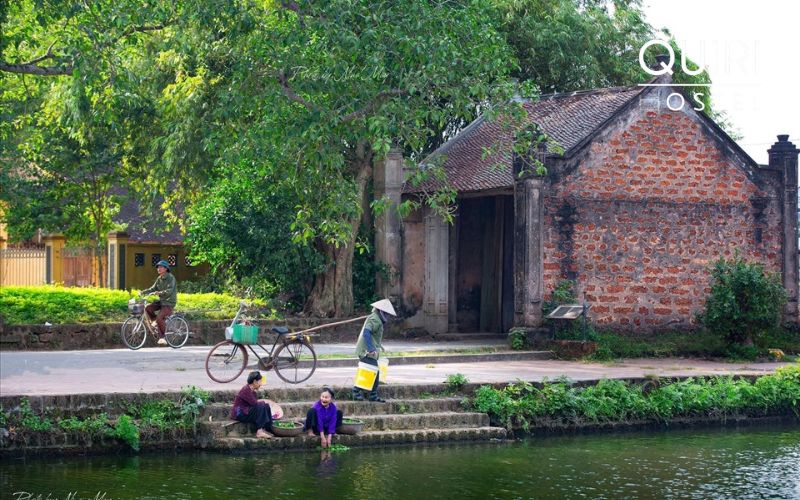
A peaceful gateway into northern culture and authentic rural heritage.
Duong Lam Ancient Village is a rare place where history, culture, and rural life remain perfectly intact. Much like Bat Trang Pottery Village, it’s often called a living museum of northern countryside traditions, offering travelers an easy escape from Hanoi’s busy pace.
Location
Duong Lam Village sits in Son Tay Town, about 50 km west of Hanoi. The village lies within a peaceful countryside area where rice fields, old temples, and shady alleys create a slow, calming vibe. It’s one of the closest ancient villages to Hanoi, making it ideal for a half-day or full-day trip.
Entrance fee
Currently, when you take a Duong Lam Ancient Village tour, the ticket price to visit the villahe is only VND 20,000 for adults and VND 10,000 for children. The fee for motorbike parking is VND 10,000 per vehicle.
This ticket grants access to traditional houses, historical sites, and cultural landmarks throughout the area.
History of Duong Lam Ancient Village
Duong Lam has over a thousand years of heritage that reflects the soul of northern Vietnam’s countryside.
Origins and Early Settlement
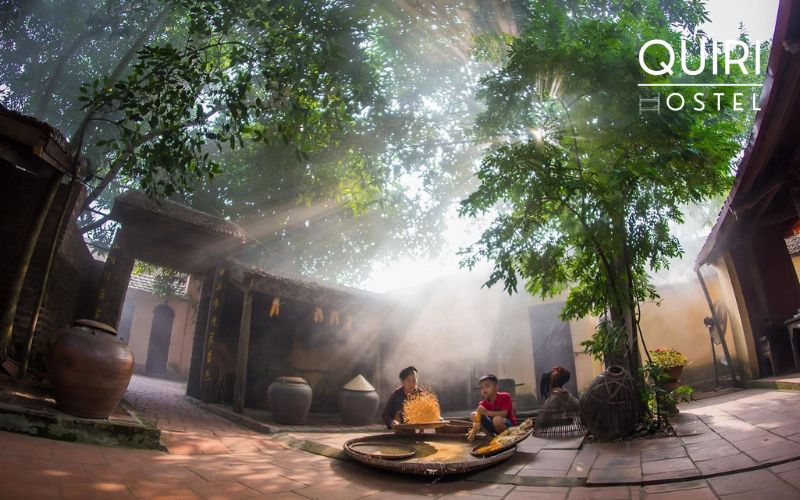
Early settlers shaped Duong Lam village into a resilient cultural community.
With a history spanning more than 1,200 years, Duong Lam is considered one of the earliest traditional Vietnamese villages. Early settlers built their homes from laterite blocks, ironwood, and clay tiles, forming a distinctive architectural identity. The village structure revolved around wells, alleys, clan areas, and a central communal house.
Land of Two Kings
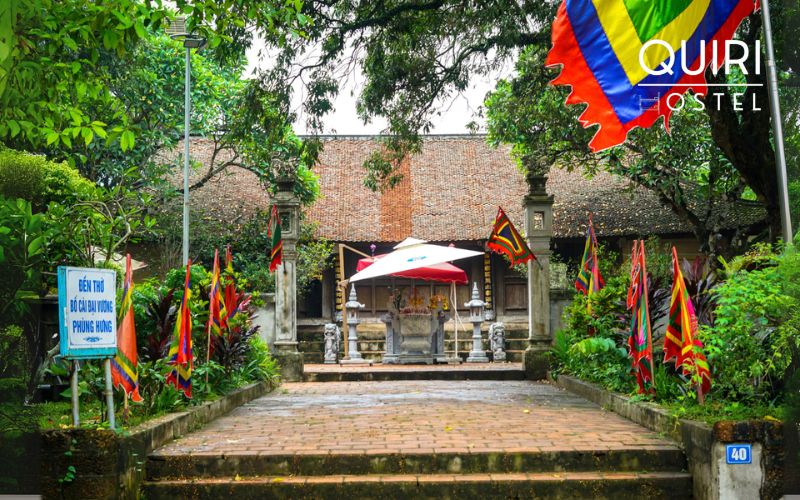
Heroes shaped Duong Lam village history with courage and legendary victories.
Duong Lam is often called the “land of two kings” because it is the birthplace of Ngô Quyền and Phùng Hưng, two national heroes. Ngô Quyền’s victory at the Bạch Đằng River in 938 marked the beginning of Vietnam’s independence, while Phùng Hưng is honored for leading uprisings that defended local communities. Their temples still stand, carrying legends that reflect the village’s pride.
Traditional Architecture & Village Planning
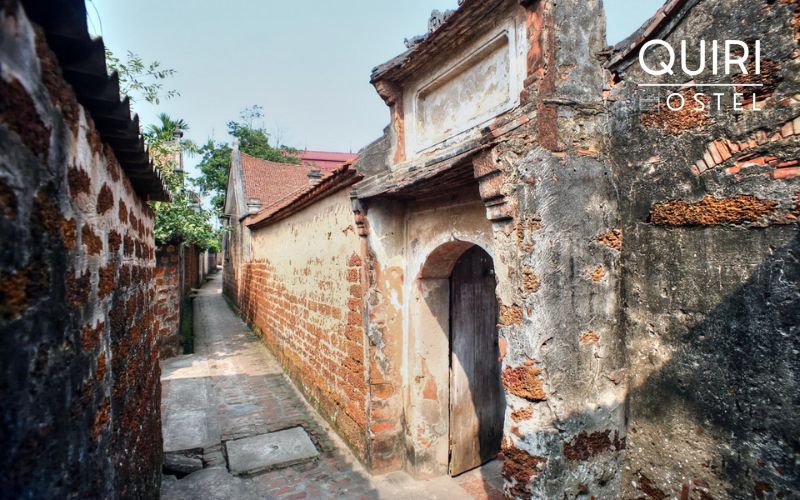
Duong Lam ancient village preserves timeless architecture and community-rooted planning.
The village preserves typical features of a northern traditional Vietnamese village: a communal house (đình), ancient wells, a main village gate, temples, pagodas, and laterite-paved alleys. Houses cluster by family clans, creating a connected, harmonious community layout that has remained unchanged for centuries.
Top Things to Do in Duong Lam Ancient Village
Duong Lam Village is one of the places to visit near Hanoi that can fulfill you with memorable experiences and connect you with Vietnam’s rural heritage.
Wander Through Mong Phu Village Gate
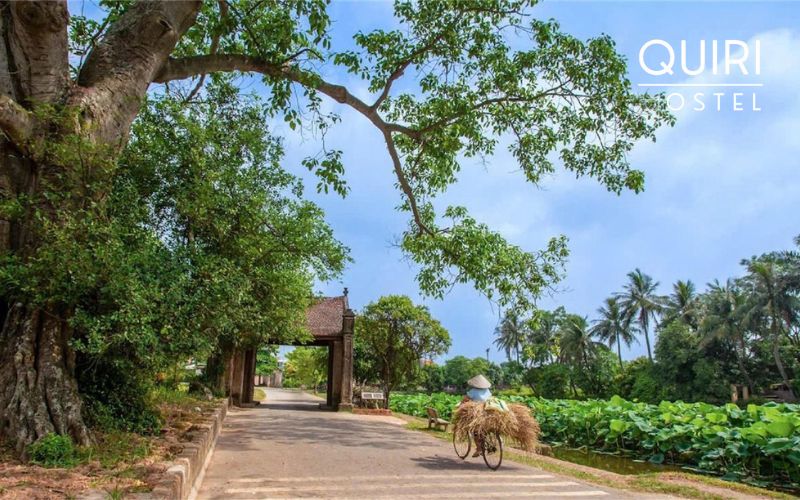
This ancient village gate embodies centuries of local tradition and pride.
Mong Phu Gate is the famous symbol of this ancient village, welcoming visitors into its peaceful world. The gate leads to narrow, golden laterite alleys lined with ancient houses and trees. Walking through this area feels like entering a preserved chapter of the past. Photographers love the textures, light, and rustic charm that make every corner a delight to capture.
Visit the Ancient Laterite Houses
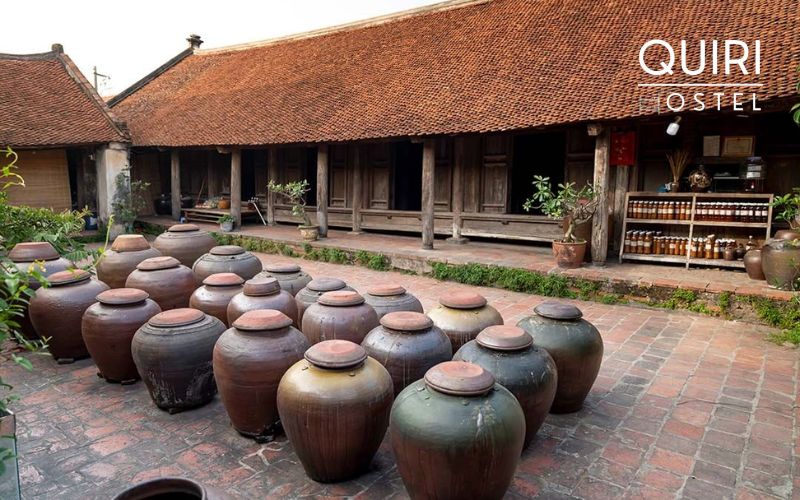
Laterite houses reveal the spirit of a traditional Vietnamese village.
Duong Lam is home to more than 100 ancient houses aged 200–400 years. Many are still lived in by multi-generational families, and visitors are often invited inside to explore the architecture. You’ll see wooden beams, tile roofs, family altars, courtyards, and antique household items that reveal how rural Vietnamese families lived centuries ago. These homes are authentic, warm, and deeply cultural.
Explore Mia Pagoda
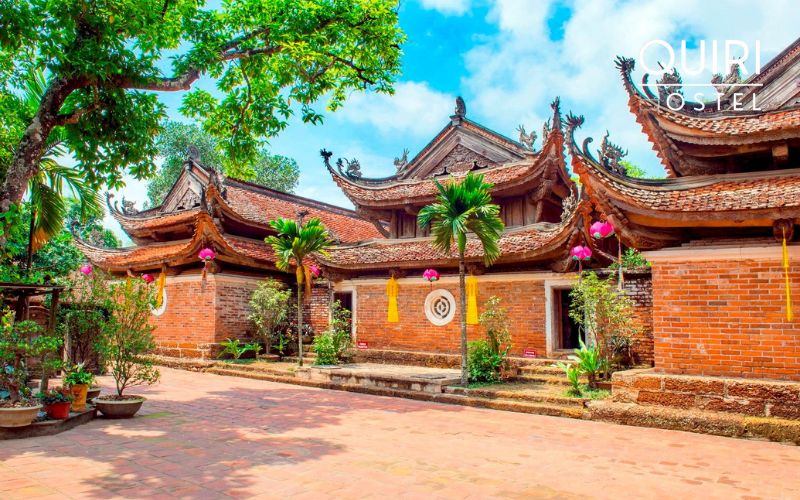
Mia Pagoda reflects Duong lam ancient village spirituality and historic devotion
Mia Pagoda is a spiritual anchor of Duong Lam Ancient Village, dating back to the 15th century. It holds more than 280 statues of different sizes and artistic styles, making it one of the most impressive pagodas in northern Vietnam. Its peaceful courtyards, wooden architecture, and incense-scented halls invite quiet reflection. Travelers often describe this site as serene and surprisingly emotional.
Sample Authentic Local Dishes
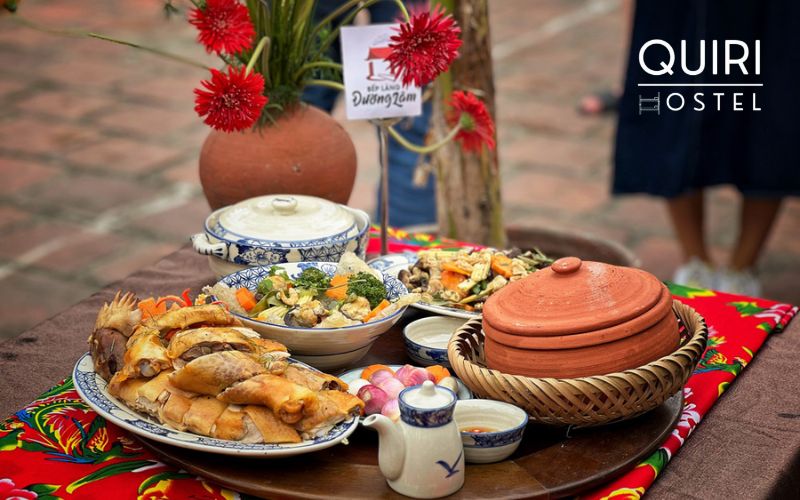
Local dishes highlight flavors shaped by Duong Lam ancient village life
Food in Duong Lam reflects the rustic flavors of northern Vietnam. Local families often serve meals at home, giving visitors a warm, intimate dining experience. Must-try dishes include gà mía (rare local chicken), chè lam (sweet rice cake), kẹo lạc (peanut candy), and bánh tẻ. These dishes are simple yet memorable because they follow generations-old recipes and local ingredients.
Bike Through Rural Lanes and Rice Fields
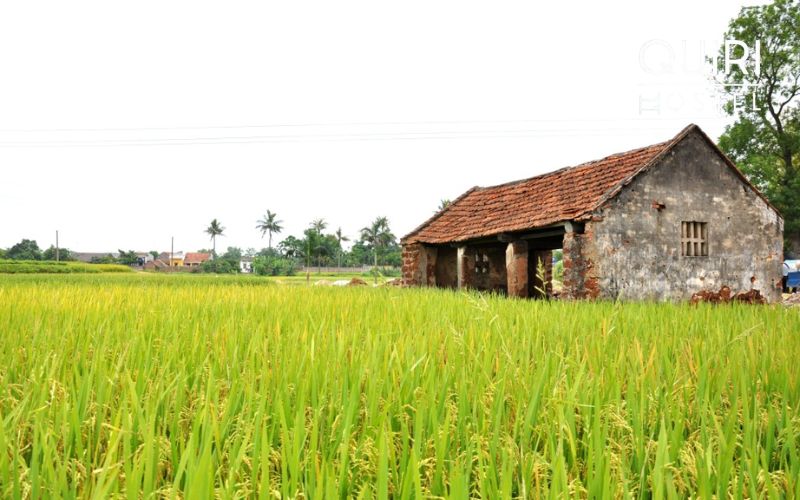
Cycling routes through Duong Lam village showcase charming countryside scenery.
Renting a bicycle is one of the best ways to explore Duong Lam Village. Ride through quiet lanes shaded by ancient trees, cross rice fields, and pass buffaloes grazing lazily in the sun. The countryside atmosphere is refreshing and slow-paced, ideal for travelers who want to disconnect from city life. Cycling also lets you reach smaller temples and local workshops off the main path.
Visit Ngo Quyen Temple and Phung Hung Temple
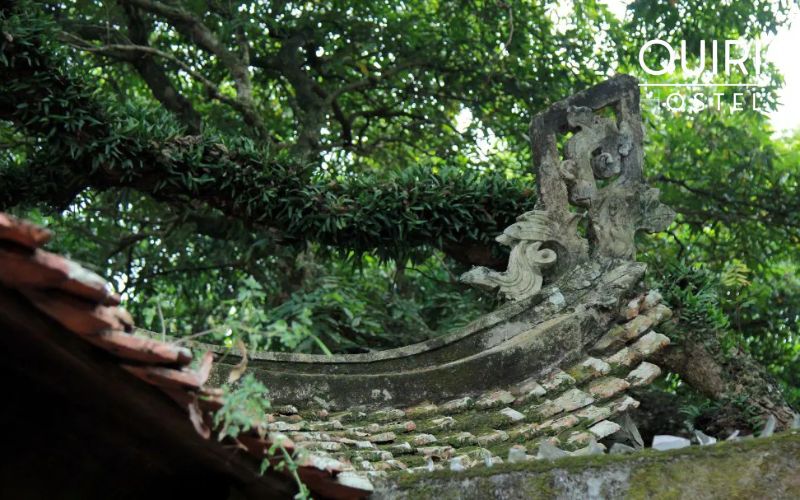
Historic temples tell stories cherished across Duong Lam village.
These two temples honor Vietnam’s historic legends, both born in Duong Lam. Ngo Quyen Temple sits at a peaceful hill, overlooking green fields and offering a beautiful space for reflection. Phung Hung Temple features intricate carvings and stories about the hero’s life. Together, they reveal the region’s deep connection to national identity and pride.
Join Traditional Craft Activities
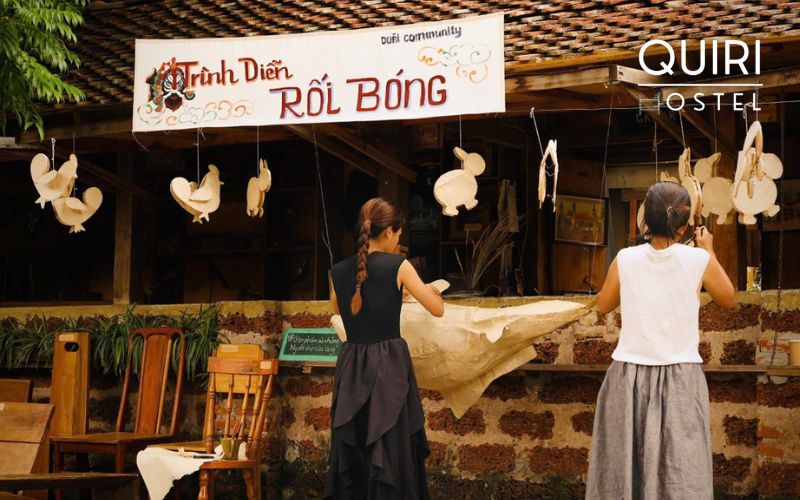
Craft activities highlight handmade skills preserved in this ancient village.
Depending on the season, visitors may join hands-on activities such as making tương (fermented soy paste), crafting rice cakes, or shaping small clay figurines. These experiences are fun, interactive, and perfect for learning about village traditions. Local artisans love sharing their skills, and you’ll walk away with a deeper appreciation for rural craftsmanship.
Best Time to Visit Duong Lam Ancient Village
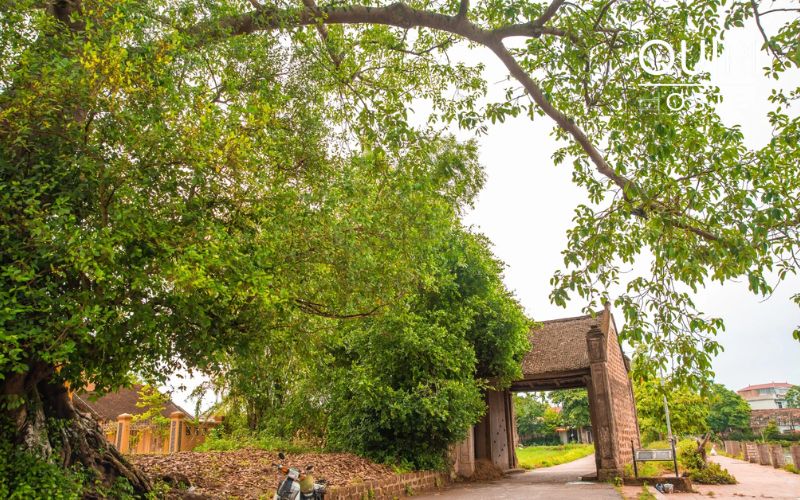
Different seasons reveal new angles of Duong Lam ancient village charm.
This ancient village is beautiful year-round, but some seasons offer extra charm.
- Festive season
Spring (January–April) is lively with festivals, temple ceremonies, and traditional activities. The weather is cool and comfortable for walking or cycling.
- Harvest season
Late summer to early autumn is perfect for golden rice fields, warm sunlight, and beautiful photo opportunities. This is the most scenic time for countryside lovers.
How to Get to Duong Lam Ancient Village
Reaching Duong Lam from Hanoi is simple and convenient, making it an ideal short getaway.
By motorbike
Traveling by motorbike gives you the freedom to adjust your itinerary and explore nearby attractions. You can follow one of the two main routes:
- Take Thang Long Boulevard, turn right at Hoa Lac Junction, follow National Road 21 through Son Loc, then continue to the intersection with National Road 32. Follow the signpost to Duong Lam.
- Take National Road 32 to Son Tay Town. At the intersection with National Road 21, turn left toward the village.
By car/taxi
A taxi or private car is the most comfortable option, especially for groups or families. The ride takes around 1–1.5 hours from central Hanoi. Simply drive west from central Hanoi following Thang Long Boulevard or National Road 32, and continue toward Son Tay Town. Most taxi apps and drivers already know the destination, so you only need to enter “Duong Lam Ancient Village” as your drop-off point.
By bus
If you’re going for affordability, taking the bus is the easiest choice. From Hanoi, head to My Dinh or Yen Nghia Bus Station and look for buses traveling to Son Tay. Once you arrive in Son Tay Town, you can hop on a short taxi or motorbike taxi ride straight to the village.
Final Thoughts
Duong Lam Ancient Village is one of Vietnam’s most beautiful examples of a traditional Vietnamese village, offering history, architecture, food, culture, and countryside peace in one place. Whether you’re into heritage, photography, or slow travel, this village delivers a refreshing and meaningful experience.
Người đăng:
Quiri Hostel
Ngày đăng:
06/12/2025
Adventures at Quiri
See more