



Share
Vietnamese New Year’s Food: A Regional Guide to Tet Flavors
Content summary
How Tet Food Reflects Vietnamese Culture and Identity
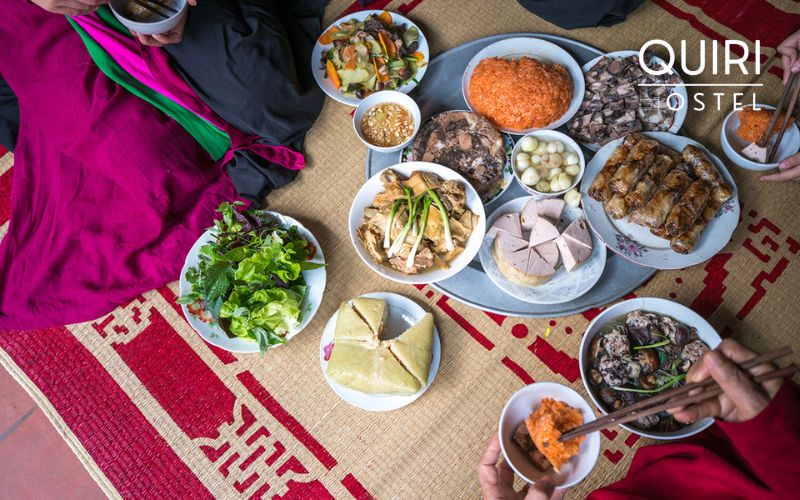
Vietnamese New Year’s food reveals identity through family and ritual.
Tet food is the clearest expression of how Vietnamese people see family, life, and the future, making it a signature highlight of festivals in Vietnam.
- Family structure: Cooking is a shared responsibility across generations, strengthening bonds and preserving tradition.
- Respect for ancestors: Every Tet meal begins with offerings that honor those who came before.
- Regional lifestyle and climate: Ingredients and techniques reflect geography, weather, and local resources.
- Shared values during Lunar New Year: Abundance, gratitude, renewal, and harmony guide every Lunar New Year dish.
Vietnamese New Year’s Food in Northern Vietnam
Northern Tet food during Lunar New Year in Vietnam is refined, symbolic, and shaped by winter. The flavors are gentle but meaningful, emphasizing balance, heritage, and ancestral respect.
Chung cake (Banh Chung)
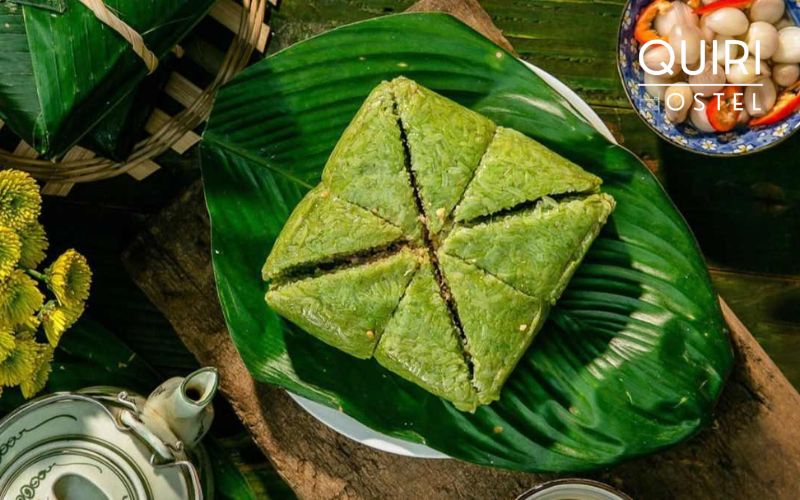
This tet food represents gratitude, earth, and shared labor.
Legend says Prince Lang Lieu created Banh Chung to honor the earth and agriculture. Made from sticky rice, mung beans, and pork, families wrap it together and boil it overnight. That long cooking becomes the emotional heartbeat of northern tet food.
Vietnamese classic pork sausage (Gio lua)
Perfectly round and pale, classic pork sausage symbolizes completeness and harmony. It appears on every ancestral altar because its clean flavor balances richer dishes. As a lunar new year dish, it represents purity, good fortune, and a fresh beginning for the coming year.
Vietnamese pork aspic (Thit dong)
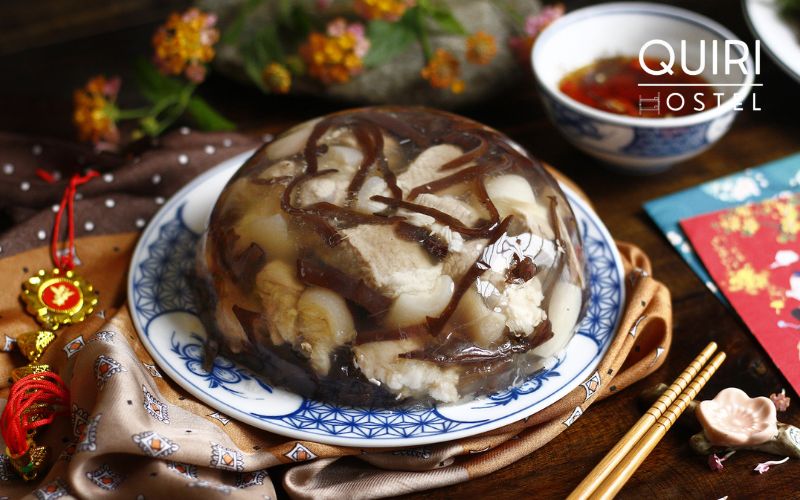
Vietnamese New Year’s food shows climate shaping northern traditions.
This jelly-like pork dish exists almost exclusively in the north because the winter cold naturally sets the broth. The texture feels light yet satisfying, reflecting how the climate directly shapes Vietnamese New Year’s food and makes certain dishes possible only during the Tet season.
Pickled onions (Dua hanh)
Sharp, bright, and refreshing, pickled onions cleanse the palate after heavy meals. Beyond taste, it symbolizes renewal and the clearing away of past burdens. Northern families consider it essential for keeping balance across the entire Tet feast.
Red sticky rice (Xoi gac)
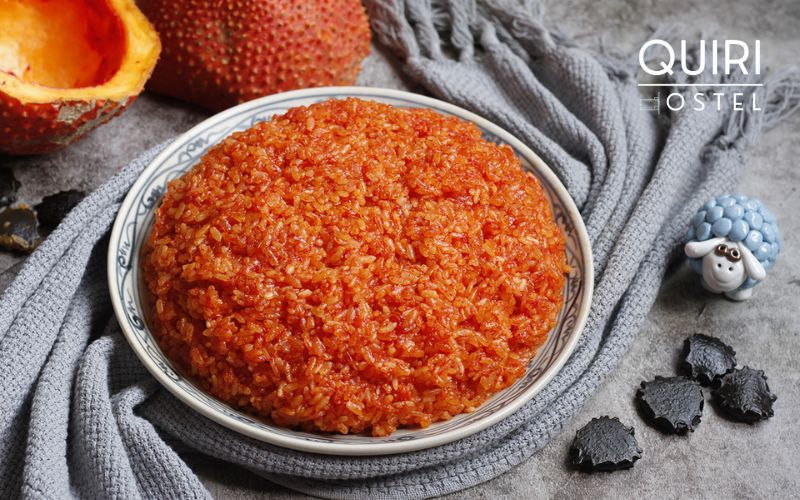
Red sticky rice marks prosperity in Vietnamese New Year’s food.
The brilliant red color of red sticky rice represents luck, happiness, and prosperity. It always appears on ancestral altars during Tet rituals. More than food, it serves as a visual prayer for success, health, and positive beginnings in the new year.
Boiled chicken (Ga luoc)
A whole golden chicken sits at the center of many ancestral offerings. Its unbroken form represents family unity, prosperity, and sincerity. As part of the Vietnamese New Year’s food tradition, boiled chicken expresses deep respect toward ancestors and the household’s future.
Vietnamese fried spring rolls (Nem ran)
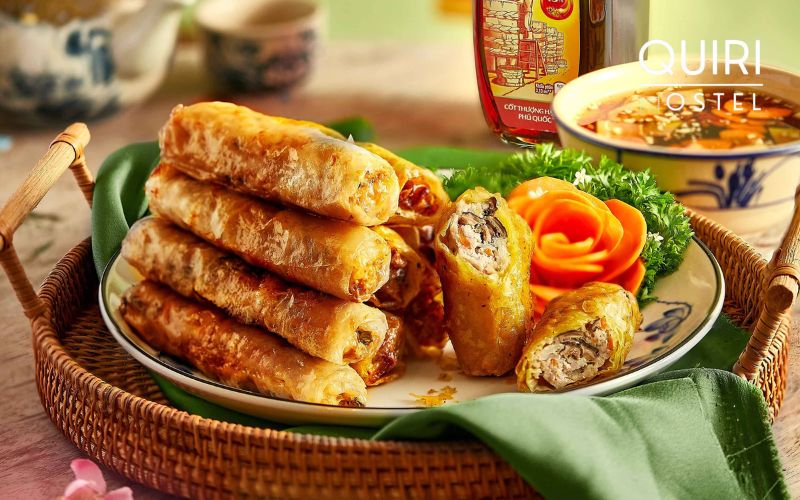
This tet food adds crunch, joy, and festive warmth.
Crisp outside and rich inside, Vietnamese fried spring rolls adds celebration energy to the Tet table. The contrast of textures reflects the excitement of the holiday itself. It remains one of the most universally loved tet food dishes across generations and regions.
Bamboo shoot soup (Canh mang)
Slow-simmered bamboo shoots with pork bones create a warm, comforting broth. This soup symbolizes patience, endurance, and long-lasting prosperity. Northern households believe its gentle flavor supports harmony and balance during the long days of Tet celebration.
Pork skin and vegetable soup (Canh bong)
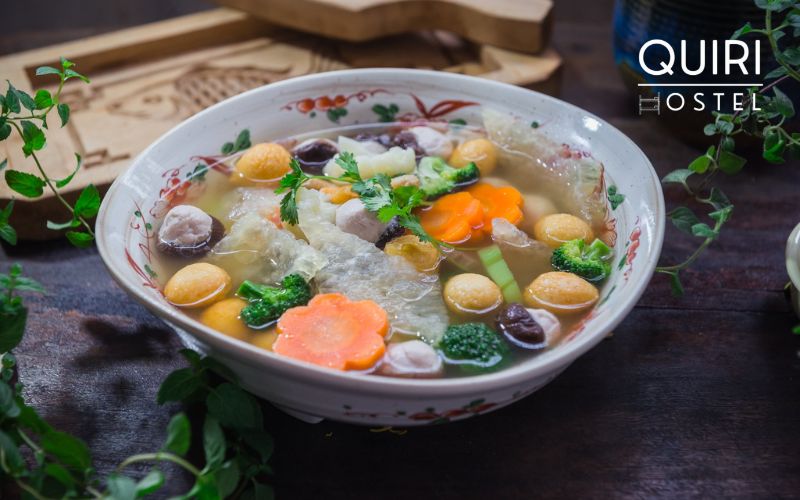
This dish brings elegance, lightness, and visual clarity.
Delicate, clear, and visually refined, pork skin and vegetable soup uses dried pork skin, vegetables, and light broth. It represents elegance and balance within the northern Tet menu. Its quiet flavors contrast with heavier meats, keeping the overall feast graceful and complete.
Vietnamese New Year’s Food in Central Vietnam
Central Vietnam’s Tet cuisine reflects royal influence from Hue and centuries of refined cooking. Every dish values careful preparation, layered flavors, and beautiful presentation.
Tet cake (Banh tet)
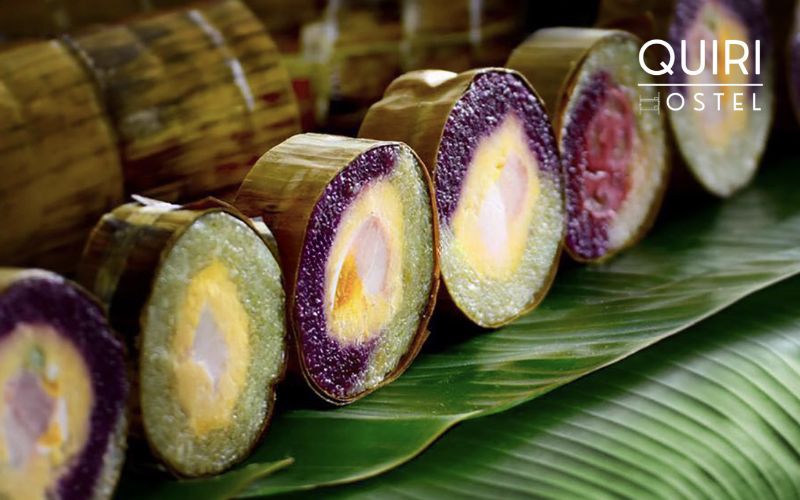
A lunar new year food centerpiece symbolizing continuity and connection.
Unlike square banh chung, central Tet cake is cylindrical and often sliced into elegant rounds. Filled with pork, mung beans, or sweet banana, it symbolizes continuity and family connection. It remains a core centerpiece of central lunar new year food.
Fermented pork roll (Nem chua)
Tangy, lightly spicy, and aromatic, fermented pork roll embodies central Vietnam’s bold flavor profile. Fermentation preserves the meat for long holiday periods, while its bright taste awakens the appetite between rich Tet meals.
Bamboo fermented pork (Tre)
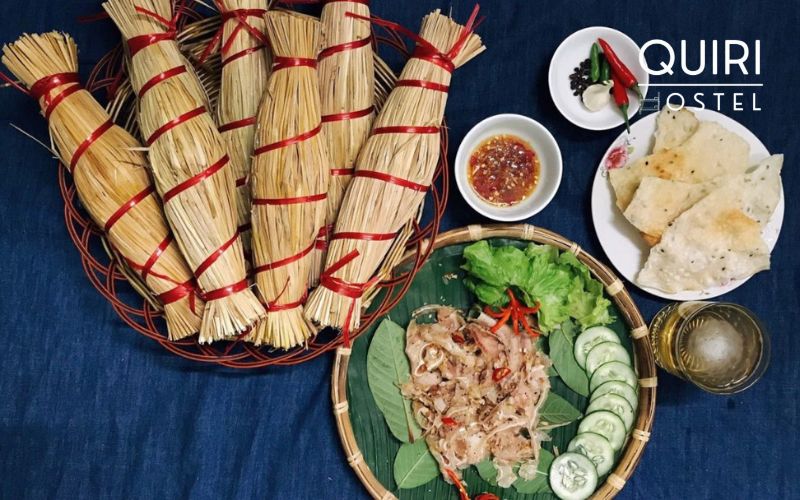
A lunar new year dish built on fermentation and spice.
Wrapped in banana leaves and naturally fermented, tre combines pork, garlic, chili, and spices. It reflects the region’s deep knowledge of preservation and flavor layering, making it a uniquely central lunar new year dish.
Mixed pickled vegetables (Dua mon)
Mixed pickled vegetables blends papaya, carrot, radish, and chili in a sweet-sour brine. It refreshes the palate between heavier meats and symbolizes balance. Central families see it as essential for keeping Tet meals enjoyable across long feasting days.
Spicy dried beef (Bo kho mat mia)
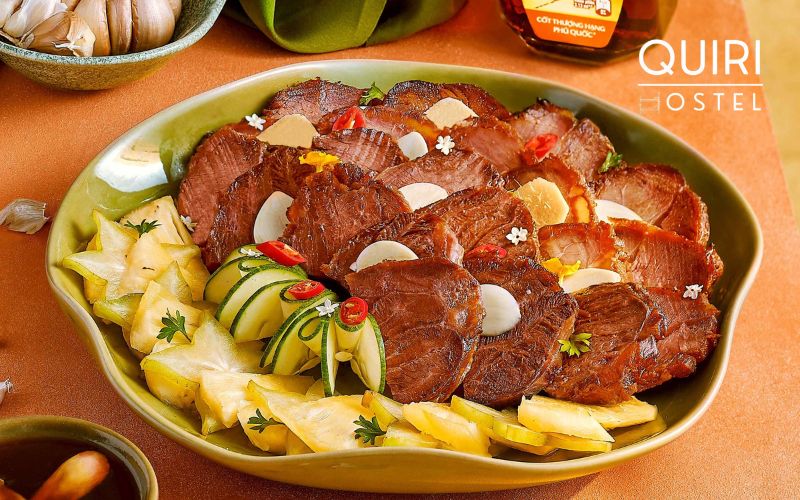
Dried beef stores well for long holiday visits.
Strongly seasoned and sun-dried, this beef stores well for Tet visits and long celebrations. The intense flavor reflects the central region’s preference for spicy, bold dishes that awaken the senses and balance the richness of the Tet table.
Royal-style shrimp and pork rolls (Ram tom)
Delicate shrimp and pork wrapped in rice paper create elegant rolls that reflect Hue’s royal culinary roots. Their careful presentation and subtle flavors make them one of the most refined elements of central Vietnamese New Year’s food.
Pork marinated in fish sauce (Thit heo ngam mam)
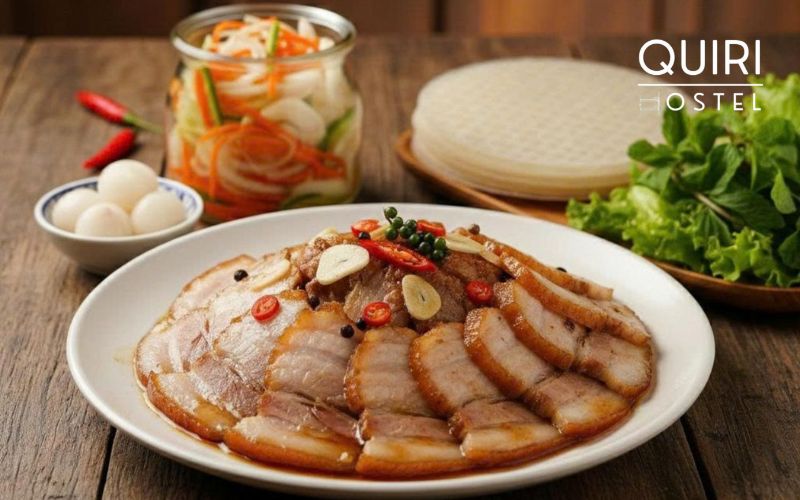
Savory preservation showcases central seasoning mastery and depth.
Soaked in aromatic fish sauce with garlic and chili, this dish delivers deep savory complexity. It preserves meat for extended holidays and showcases the central region’s mastery of fermentation and seasoning.
Bitter melon soup (Canh kho qua)
Shared with the south, this soup carries the hope of leaving behind hardship. The bitterness represents past struggles, while the clear broth symbolizes renewal, making it a deeply meaningful lunar new year dish.
Vietnamese New Year’s Food in Southern Vietnam
Southern Tet food celebrates abundance, sweetness, and open hospitality. Meals feel generous, comforting, and joyfully overflowing.
Tet cake (Banh tet)
As the Central Region, people in the South also celebrate tet with Tet cake. Yet, Southern Tet cake grows larger and sweeter with coconut milk and banana fillings. Its flavors reflect the region’s warmth and fertile land. Families prepare huge rolls to share with neighbors and guests throughout the Tet holiday.
Caramelized pork and eggs (Thit kho trung)
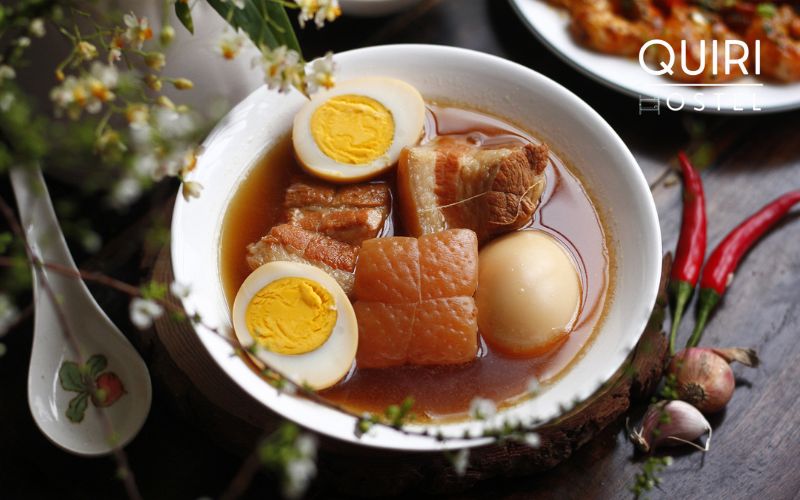
Vietnamese New Year’s food comfort peaks in caramelized pork.
This rich, amber-colored dish is the emotional heart of southern Tet. Simmered in coconut water, pork and eggs symbolize abundance, unity, and warmth. Every household cooks a massive pot to last for days of celebration.
Pickled bean sprouts (Dua gia)
A Tet meal in southern Vietnam always includes something light and refreshing, and pickled bean sprouts plays that role perfectly. Crisp bean sprouts pickled with carrots and chives cut through heavy meats and rich sauces, keeping the palate balanced and the long holiday meals enjoyable and comfortable for everyone.
Bitter melon soup (Canh kho qua)
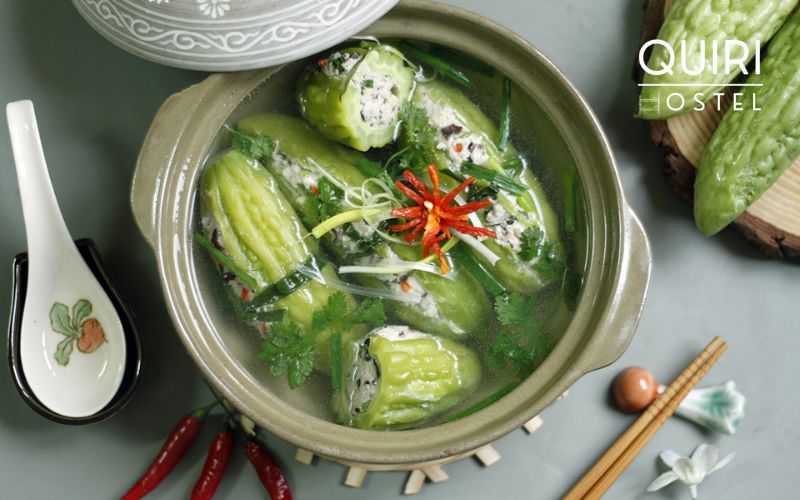
A tet food tradition wishing struggles pass into the past.
Served alongside richer dishes, bitter melon soup carries one of Tet’s most meaningful messages. The bitter melon represents past hardships, while the clear broth and tender filling symbolize hope, healing, and a fresh beginning. Southern families believe eating this soup helps leave the old year’s troubles behind.
Chinese sausage (Lap xuong)
During Tet in the south, Chinese sausage appears in nearly every kitchen. Sweet, glossy, and aromatic, the sausage represents long life and success in the coming year. It is enjoyed as part of main meals, small snacks, and festive gift trays offered to visiting friends and relatives.
Dried shrimp and pickled small leeks (Cu kieu tom kho)
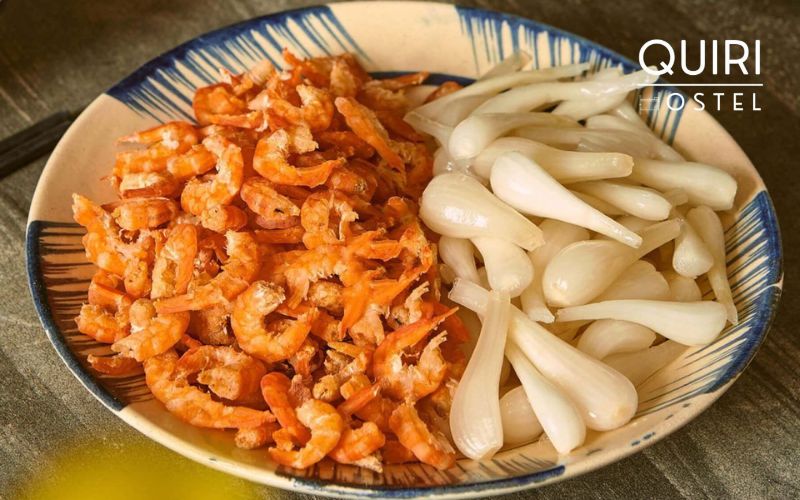
This dish signals hospitality with sweet-sour contrast and crunch.
This dish brings both texture and meaning to the Tet table. Sweet dried shrimp and crunchy pickled leeks create a bright contrast of flavors while symbolizing prosperity and good fortune. It is often served to guests as a sign of welcome and generosity during the New Year visits.
Where to Try Lunar New Year Food in Vietnam
Experiencing authentic lunar new year food becomes unforgettable when shared with locals.
- Local markets: Explore bustling Tet markets filled with fresh ingredients, traditional snacks, and ready-made Tet food prepared exactly as families serve at home.
- Local restaurants: Family-run spots serve seasonal Tet menus. Booking a Hanoi tour makes it easy to discover authentic local dishes.
- Hostels: A Hanoi hostel in the Old Quarter usually creates family-style Tet meals. At Quiri Hostel Hanoi, this restaurant in Hanoi Old Quarter stays open during Tet and offers signature Vietnamese Lunar New Year dishes for travelers seeking authentic experiences.
- Homestays: Join families in preparing and enjoying Tet food together, learning recipes and stories passed down for generations.
- Tet visits: Accept invitations from locals and discover the true heart of Vietnamese New Year’s food.
Final Thoughts
Vietnamese New Year’s food is not simply what people eat. It is how Vietnam remembers its past, celebrates its present, and welcomes its future. From the quiet winter kitchens of the north to the overflowing southern tables, tet food reveals the country’s deepest values through every lunar new year dish.
If you are visiting Vietnam during Tet, don’t just observe the holiday. Sit at the table. Taste the stories. And let Vietnamese New Year’s food guide you into the soul of the celebration.
Người đăng:
Quiri Hostel
Ngày đăng:
08/01/2026
Adventures at Quiri
See more