



Share
Huong Pagoda: A Sacred Journey Through Mountains and Faith
Content summary
Overview of Huong Pagoda
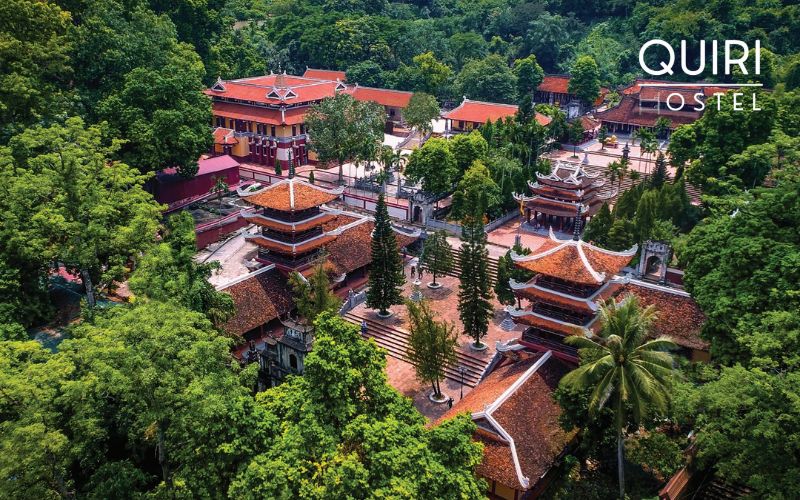
A serene introduction to the cultural landscape surrounding Huong Pagoda.
Huong Pagoda is one of Vietnam’s most important pilgrimage sites, known as Perfume Pagoda for its floral scent and misty landscape. It’s also among the most peaceful places to visit near Hanoi, drawing travelers seeking culture, nature, and spiritual calm.
Location
Huong Pagoda is located in My Duc District, around 60 kilometers southwest of Hanoi. The site is a large cultural and religious complex spread across mountains, caves, forests, and streams. Visitors usually travel to the main temple by boat along the beautiful Yen Stream, making the journey itself an experience.
Entrance fees & ticket prices
Visiting this complex involves different ticket levels depending on your travel plan.
- Huong Pagoda entrance fee: Around 80,000–100,000 VND per person.
- Cable car ticket price: One-way from 120,000 VND / Round-trip from 240,000 VND.
- Boat price breakdown: Usually 50,000–150,000 VND per person, depending on season and package.
Historical Significance of Huong Pagoda
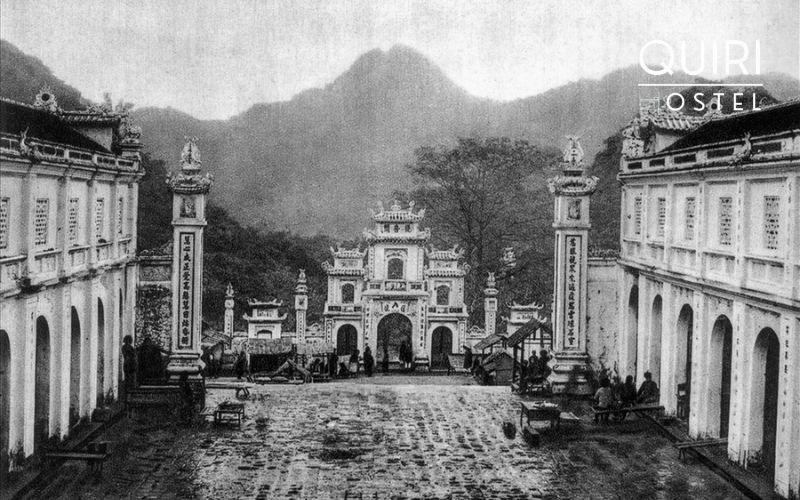
History blends devotion and nature across the enduring traditions of Huong Pagoda.
Huong Pagoda has been a sacred pilgrimage site for centuries. It is believed to date back to the 15th century, rooted deeply in Buddhist tradition and local spiritual culture. Kings, scholars, and everyday worshippers have made their way here for generations, praying for luck, love, health, and prosperity.
The legends surrounding this ancient pagoda speak of Bodhisattva Quan Am (Avalokitesvara) achieving enlightenment in Huong Tich Cave, which is now one of the most significant worship spots inside the complex. Many Vietnamese families visit at least once in their lifetime, especially during spring, when the landscape blooms and prayer rituals fill the air.
Must-See Attractions Inside Huong Pagoda
The Huong Pagoda complex is large enough to fill an entire day, even two if you move slowly, making it a favorite addition to many Hanoi tour itineraries at Quiri Hostel Hanoi. Below are the stops that most first-time visitors should not miss.
Thien Tru Pagoda
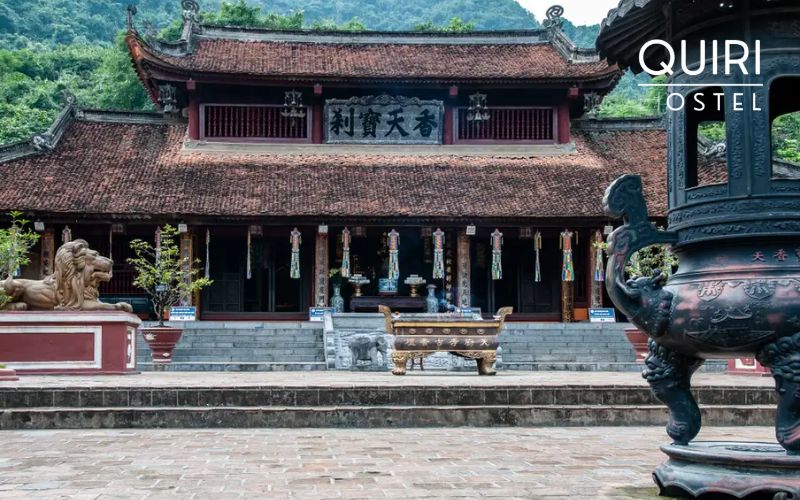
This site reflects the elegance often associated with an ancient pagoda.
Often the first major stop on the journey, Thien Tru Pagoda holds a calm presence beneath the mountains, surrounded by traditional red roofs, stone towers, and flower gardens. The pagoda is a gathering point for worshippers who pause to light incense, pray for peace, and prepare for the climb ahead. It also serves as a gentle introduction to the cultural rhythm of Huong Pagoda: slow walking, hushed voices, and mindful steps. From here, trails lead upward, deeper into the spiritual heart of the complex.
Huong Tich Cave
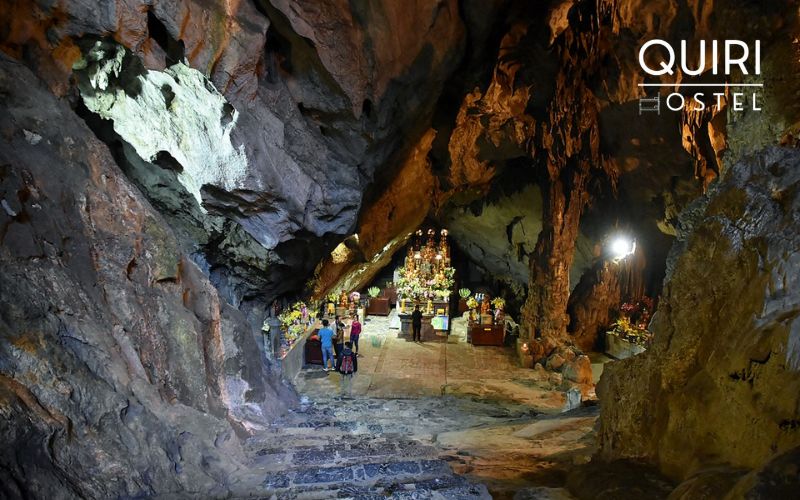
Pilgrims come seeking blessings in the sacred chambers of Huong Tich Cave.
Considered the heart of the pilgrimage, Huong Tich Cave is a sacred place where thousands come to pray during peak season. Its entrance opens like the mouth of a mythical creature, leading into a dim chamber dripping with stalactites believed to bring luck, fertility, and prosperity. The atmosphere inside is cool and echoing, filled with incense smoke, small prayers, and a silence that feels ancient.
Yen Stream
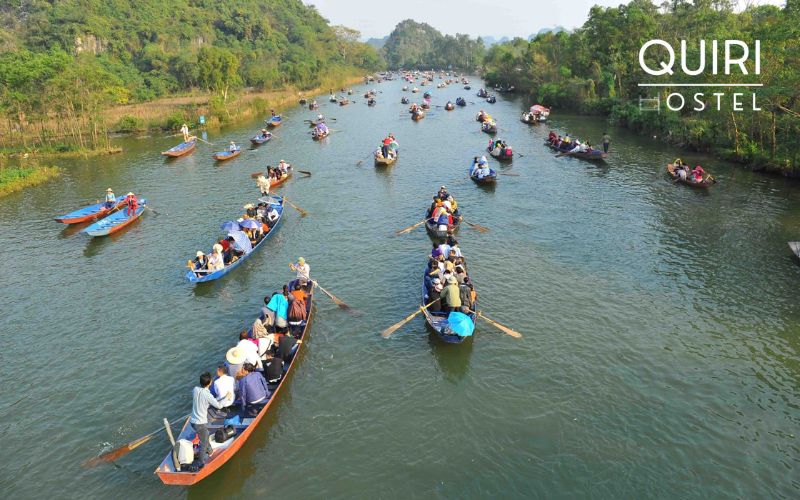
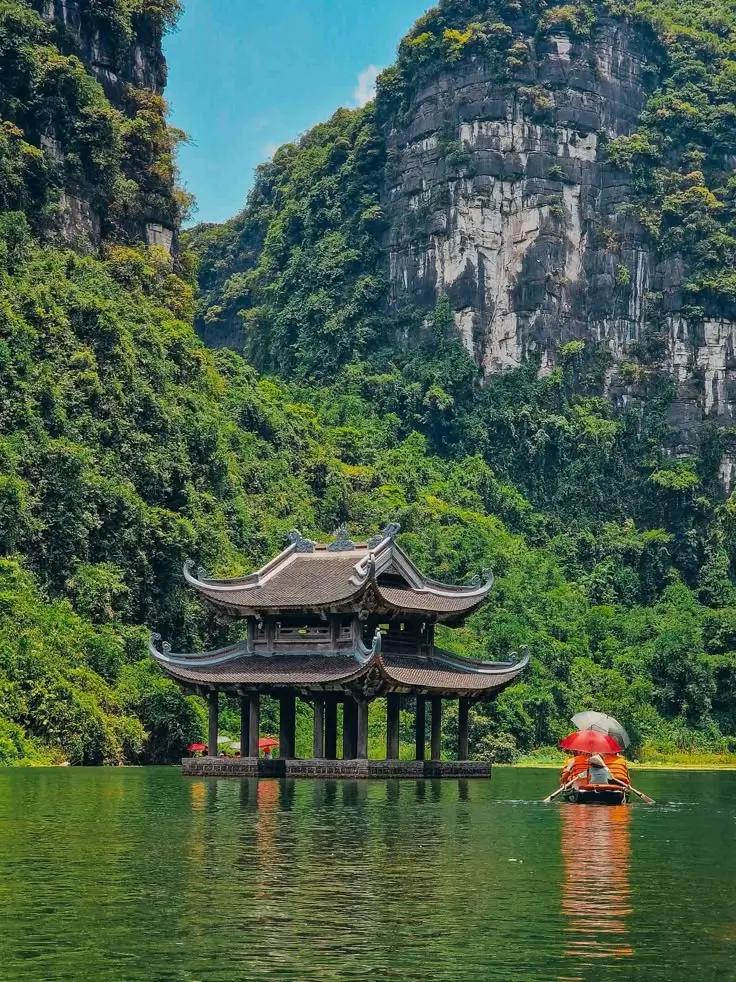
Calm waters guide visitors gently toward the Perfume Pagoda complex.
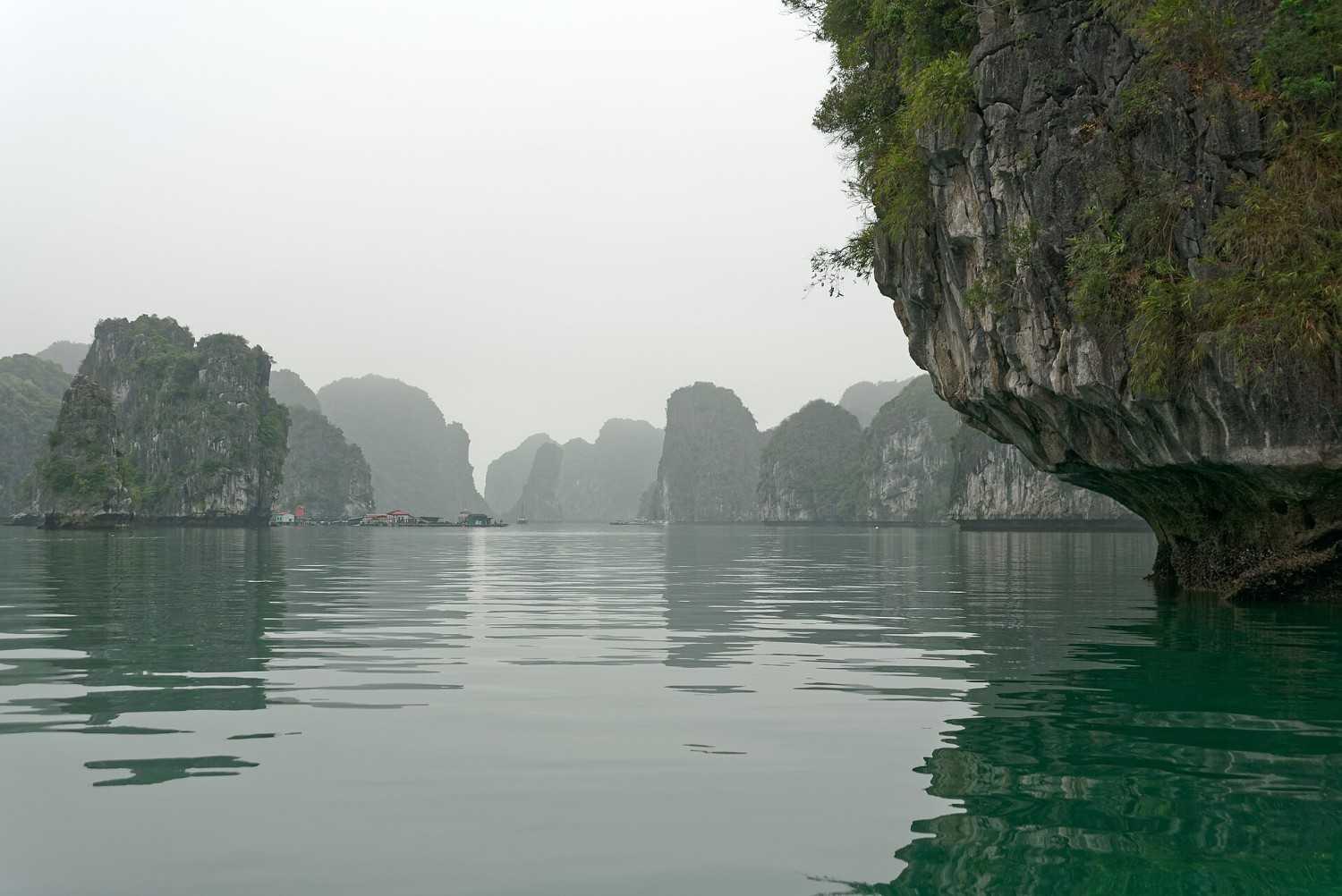
Yen Stream is where the experience truly begins. Boats glide slowly across still water, passing limestone cliffs and lush vegetation that reflect softly like a watercolor painting. Depending on the season, you may see wildflowers blooming along the banks or clouds drifting low around the mountains. The ride isn’t just transportation — it’s a transition, a quiet passage that eases you out of ordinary life and towards something older, quieter, and sacred. Many say this is the most unforgettable part of the entire trip.
Giai Oan Pagoda
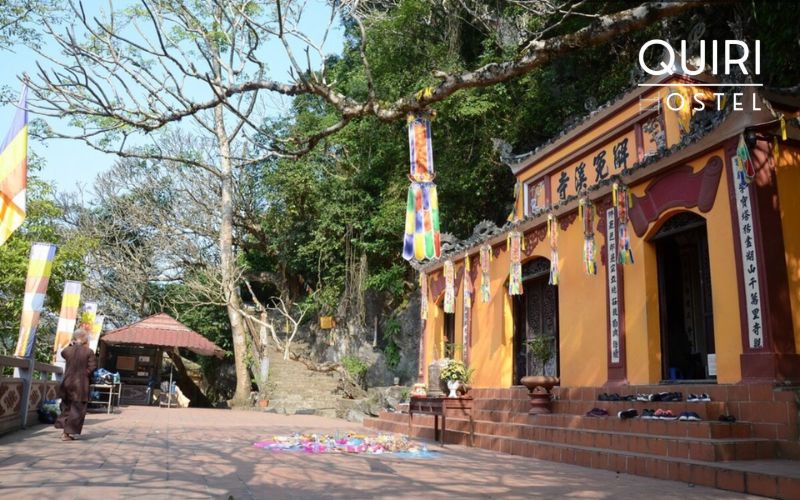
Travelers pause here to breathe and reconnect with this peaceful sanctuary.
Peaceful and tucked neatly among trees and rocks, Giai Oan Pagoda is a place tied to stories of healing and emotional clarity. Travelers often stop here after the boat ride to slow down, breathe deeply, and let the atmosphere settle before continuing upward. The sound of flowing water nearby adds a gentle rhythm to the space, making it perfect for a brief pause or prayer. Even for non-religious visitors, the calmness feels grounding, like the world suddenly speaking at a softer volume.
Trinh Temple
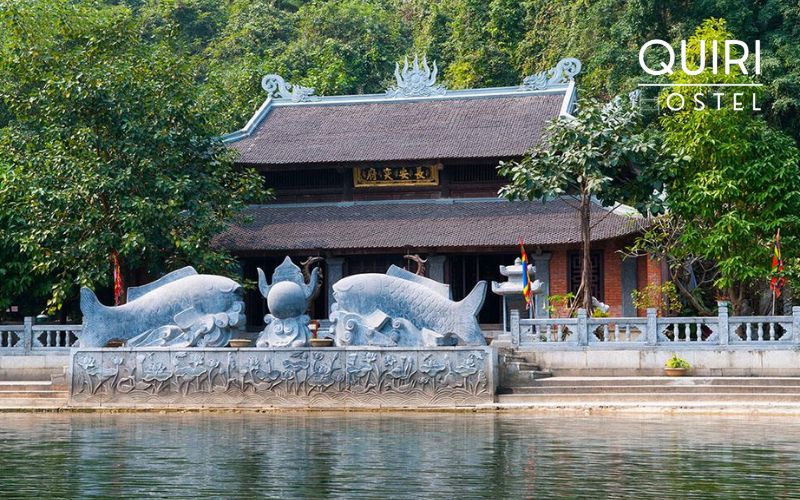
Visitors begin their spiritual path at this historically significant temple.
Before reaching the deeper layers of the complex, visitors traditionally stop at Trinh Temple (also known as Thuong Quan Temple) to announce their presence to the sacred guardians of the mountains. This gesture symbolizes respect and gratitude before entering holy ground. The temple itself feels stately yet warm, filled with incense burners, offerings, and ancestral energy. Many choose to spend a moment here, not rushed, just present — a quiet introduction to the faith, tradition, and cultural depth that define Huong Pagoda.
See also: Bat trang Pottery Village
See also: Duong Lam Ancient Village
Best Time to Visit Huong Pagoda
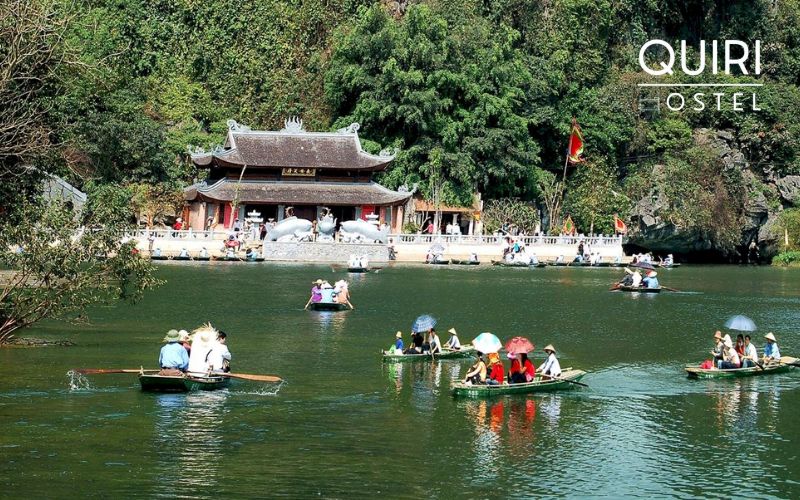
Seasonal rhythms shape how travelers experience the landscapes around this complex.
Huong Pagoda is open year-round, but the experience varies every season. Weather, festival dates, and scenery all play a role in shaping your trip.
January to March (Lunar Calendar)
This is the peak spiritual season, also known as the Huong Pagoda Festival period. The landscape is fresh, cool, and filled with pilgrims.
Why visit at this time:
- Experience the biggest Buddhist festival at Perfume Pagoda
- Enjoy beautiful spring weather and blooming flowers
- Participate in local rituals and traditional offerings
- Watch boat processions and bustling cultural activities
September to December
This period is calmer, cooler, and ideal for travelers who prefer quieter exploration. The water is still, the forest is deep green, and the weather is comfortable for climbing or hiking.
Why visit at this time:
- Fewer crowds, slower travel experience
- Better conditions for trekking and photography
- Easier access to main worship areas without long waiting times
- Peaceful boat rides along Yen Stream
Essential Tips When Visiting Huong Pagoda
A bit of prep makes the experience smoother and more meaningful. Huong Pagoda is beautiful, but it can be crowded and physically demanding for some visitors.
- Dress code & respectful behavior: Wear modest clothing — shoulders and knees covered when entering sacred spaces. Keep a respectful manner when around worshippers.
- Weather & footwear: Bring lightweight clothing, a hat, and water for sunny days. Avoid slippery shoes. Hiking shoes or anti-slip sandals are best.
- Avoid crowd times: If you prefer quiet travel, avoid peak days during the festival (especially weekends in January–March lunar calendar).
Final Thoughts
Huong Pagoda brings together sacred culture, emerald rivers, towering mountains, and centuries of worship into one beautiful experience. Whether you’re here for the scenery or the spiritual meaning, this ancient pagoda gives you space to observe, reflect, and appreciate Vietnam’s cultural depth. Let Huong Pagoda call you when you’re ready, and follow that feeling upstream into something gentle, ancient, and unforgettable.
Người đăng:
Quiri Hostel
Ngày đăng:
08/12/2025
Adventures at Quiri
See more